
I've been doing VFX work professionally since 2019 and worked in commercials, social media,
and movies. Learning and developing new skills and techniques below is some of my work.
( not all work is available due to NDAs ) .
I'm skilled in 2.5D and 3D compositing, rendering out of Blender, and using After Effects v25.6 and the beta versions for the updated 3D functions. This has been useful for lower quality 3D renders and 3D motion graphics, and Nuke's Scanline renderer system for compositing work.
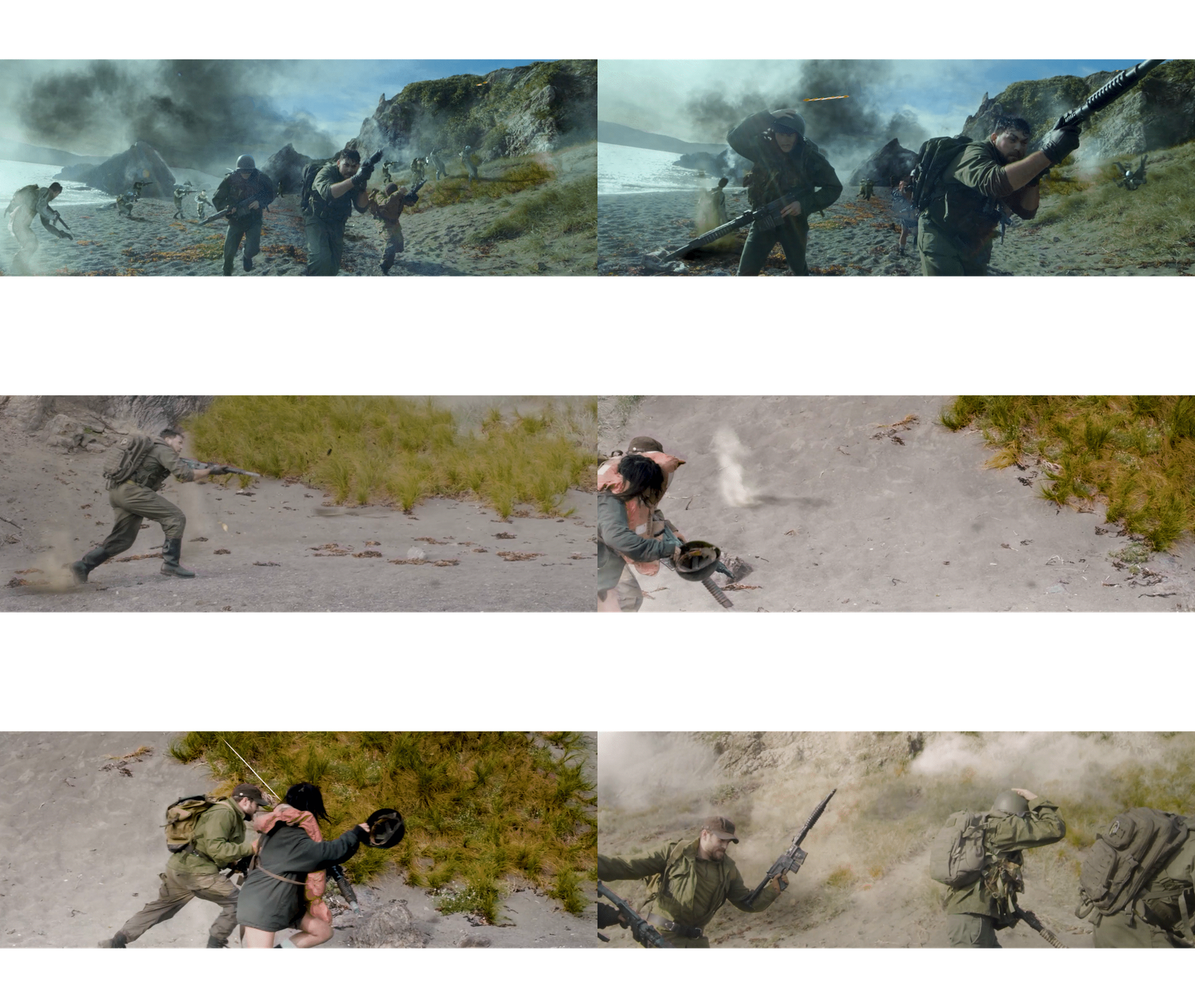
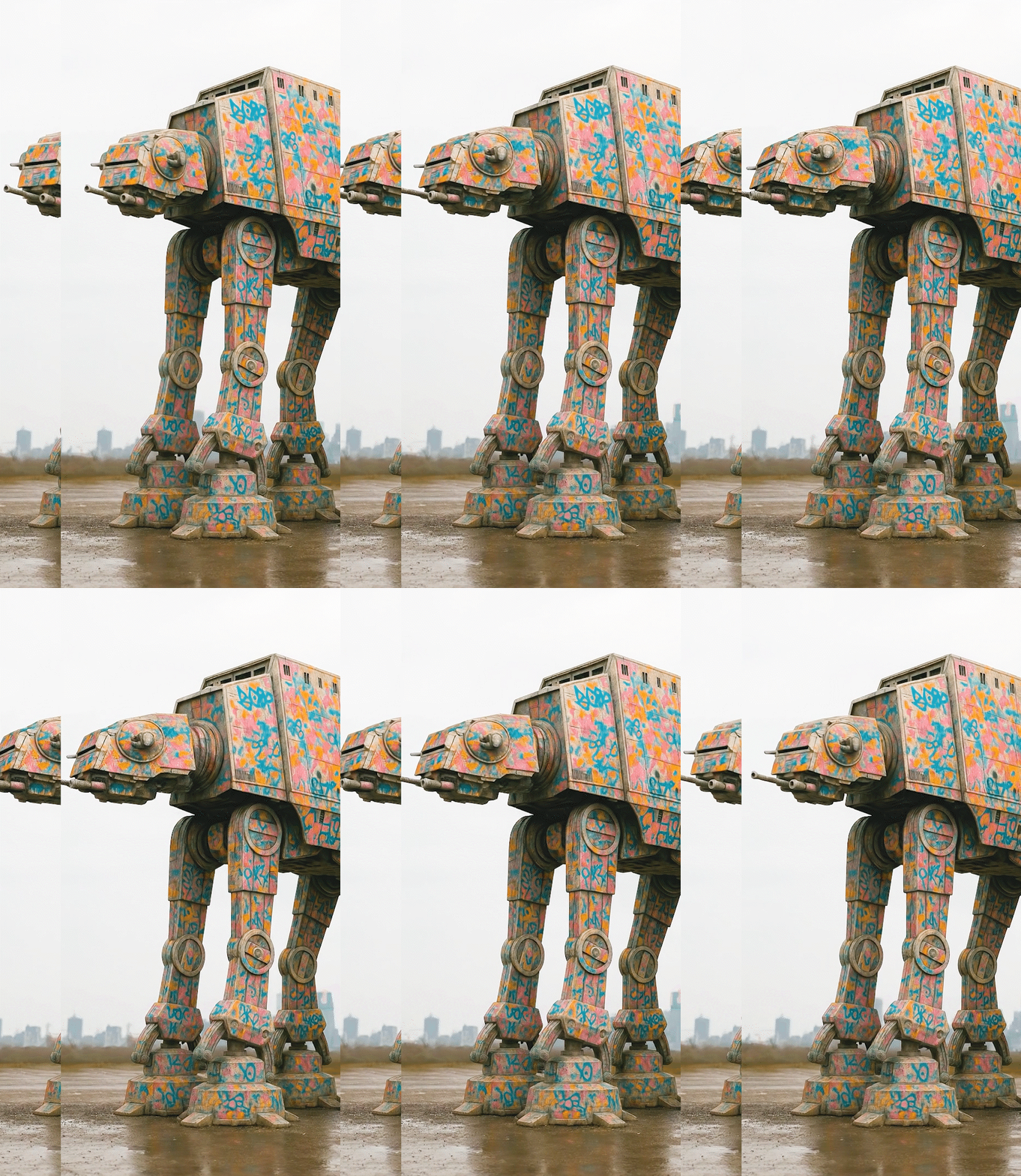
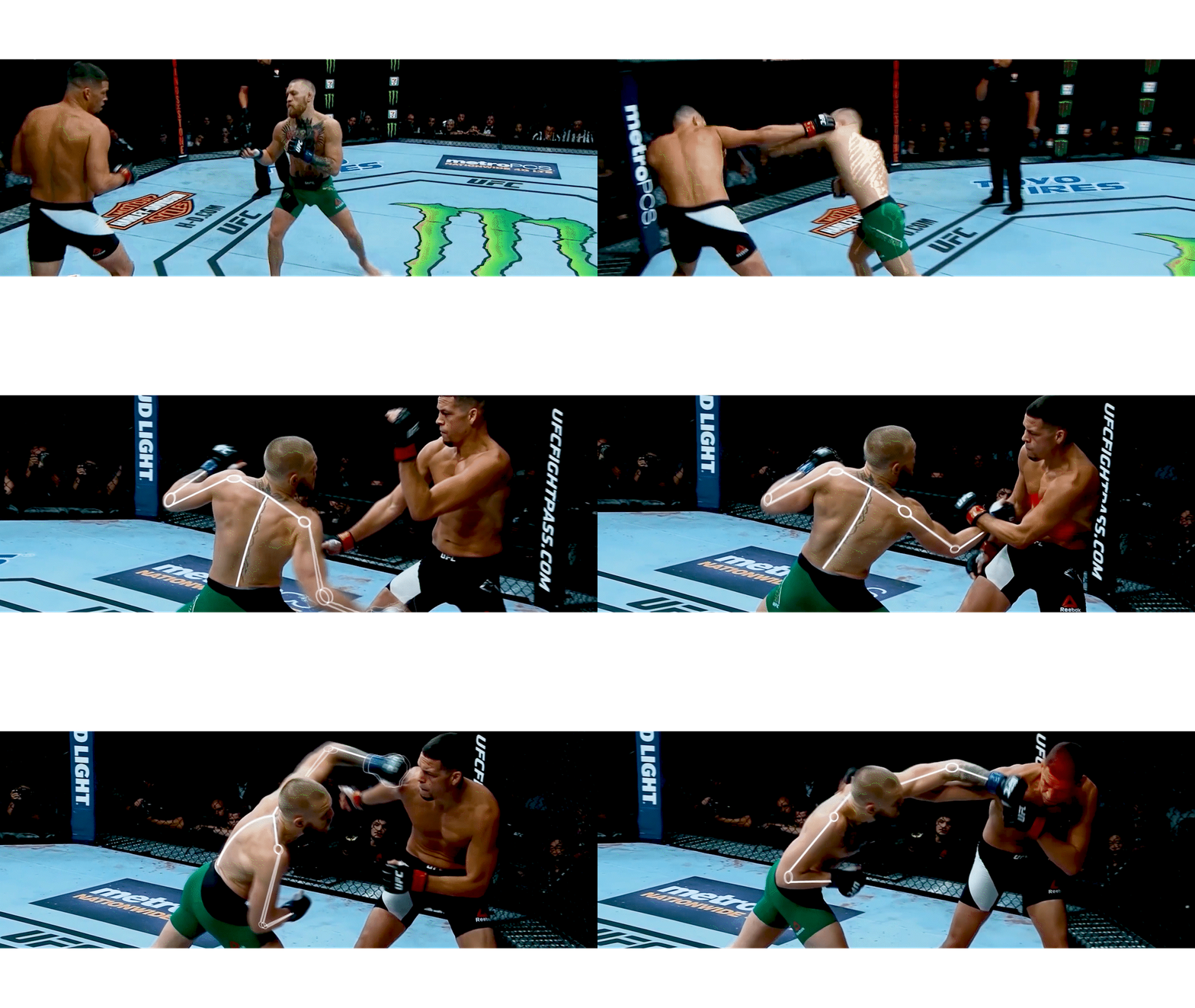
Movement is something I'm passionate about and I've enjoyed being able to combine visuals and motion graphics to elevate performances in dance and martial arts to demonstrate technique and create stylistic visuals to make ordinary footage pop!
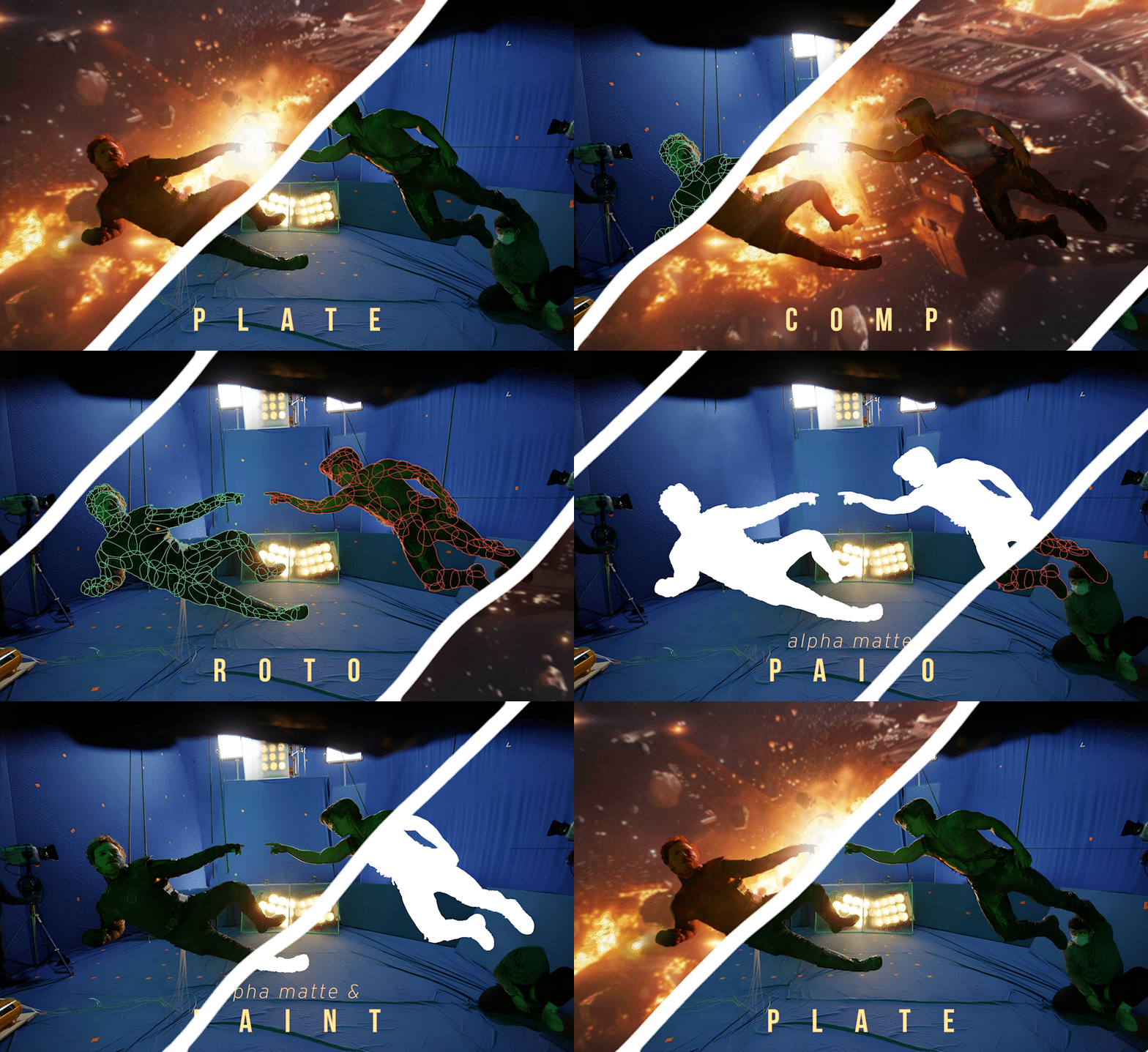










Above are some of the films I worked on whilst at Wētā FX.^
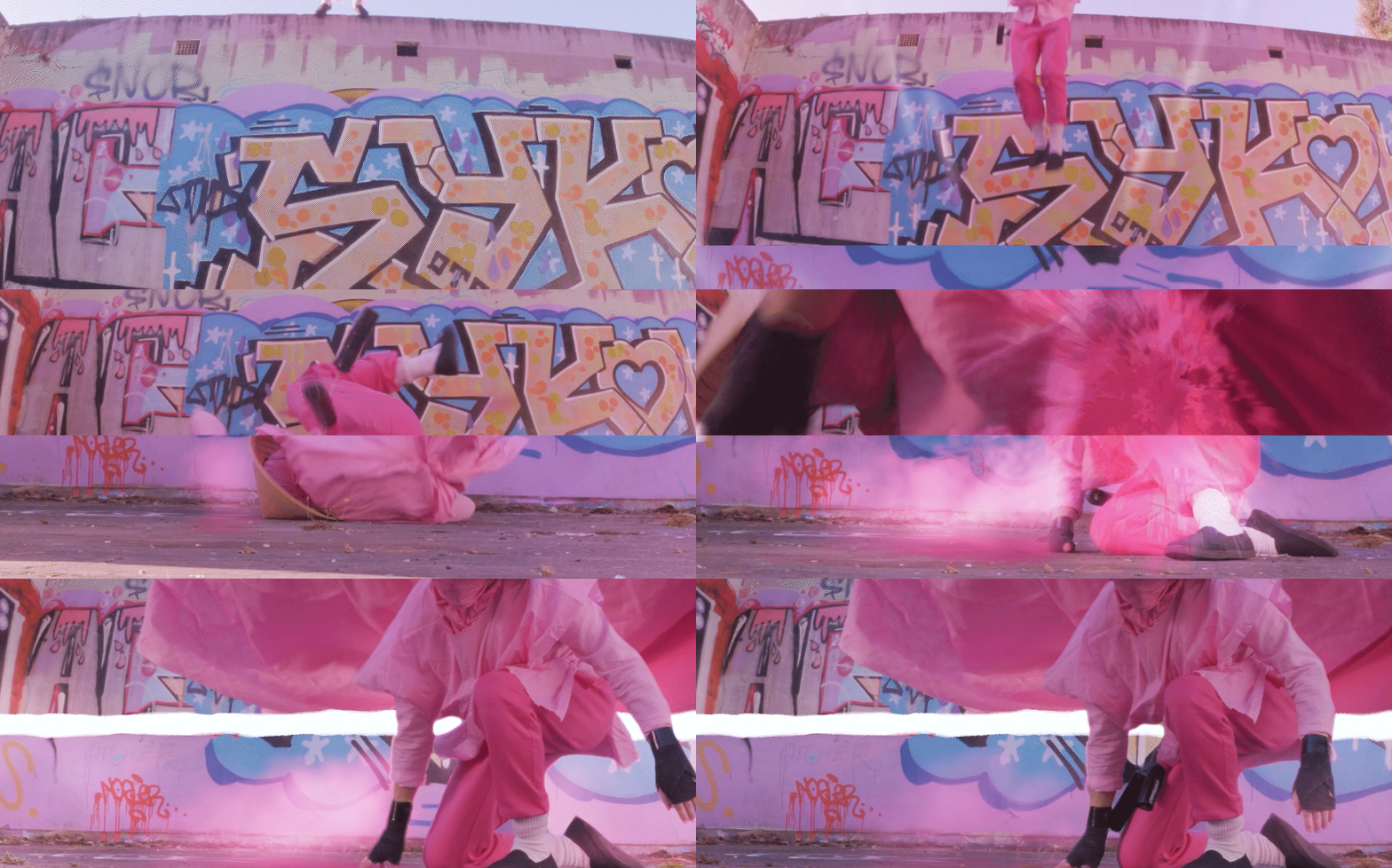
SOCIAL MEDIA.


This a showcase and portfolio of social media content made for clients and personal work varying from video to image edits display products and content!

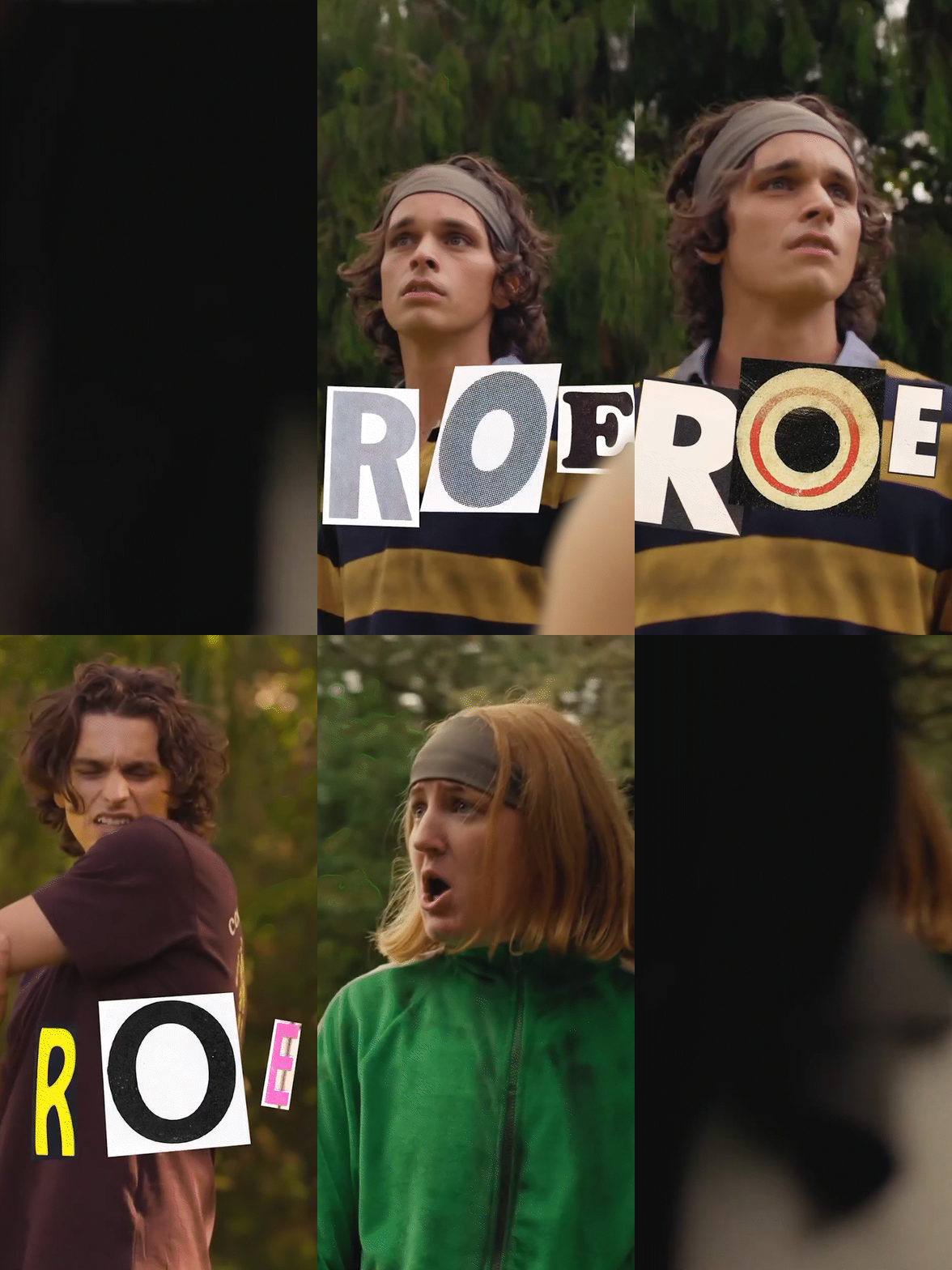
"CAMP BE BETTER" available on TVNZ on demand
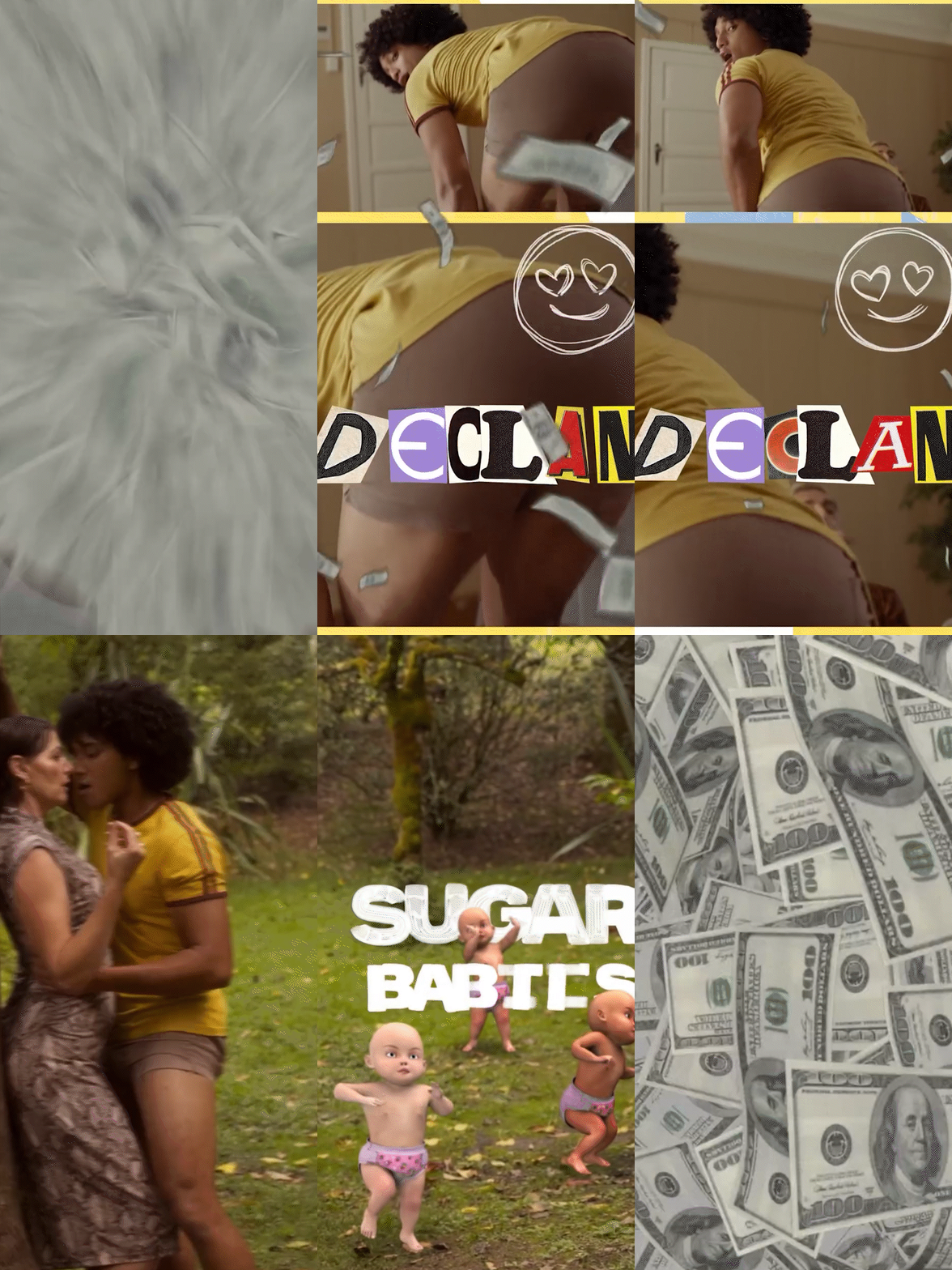
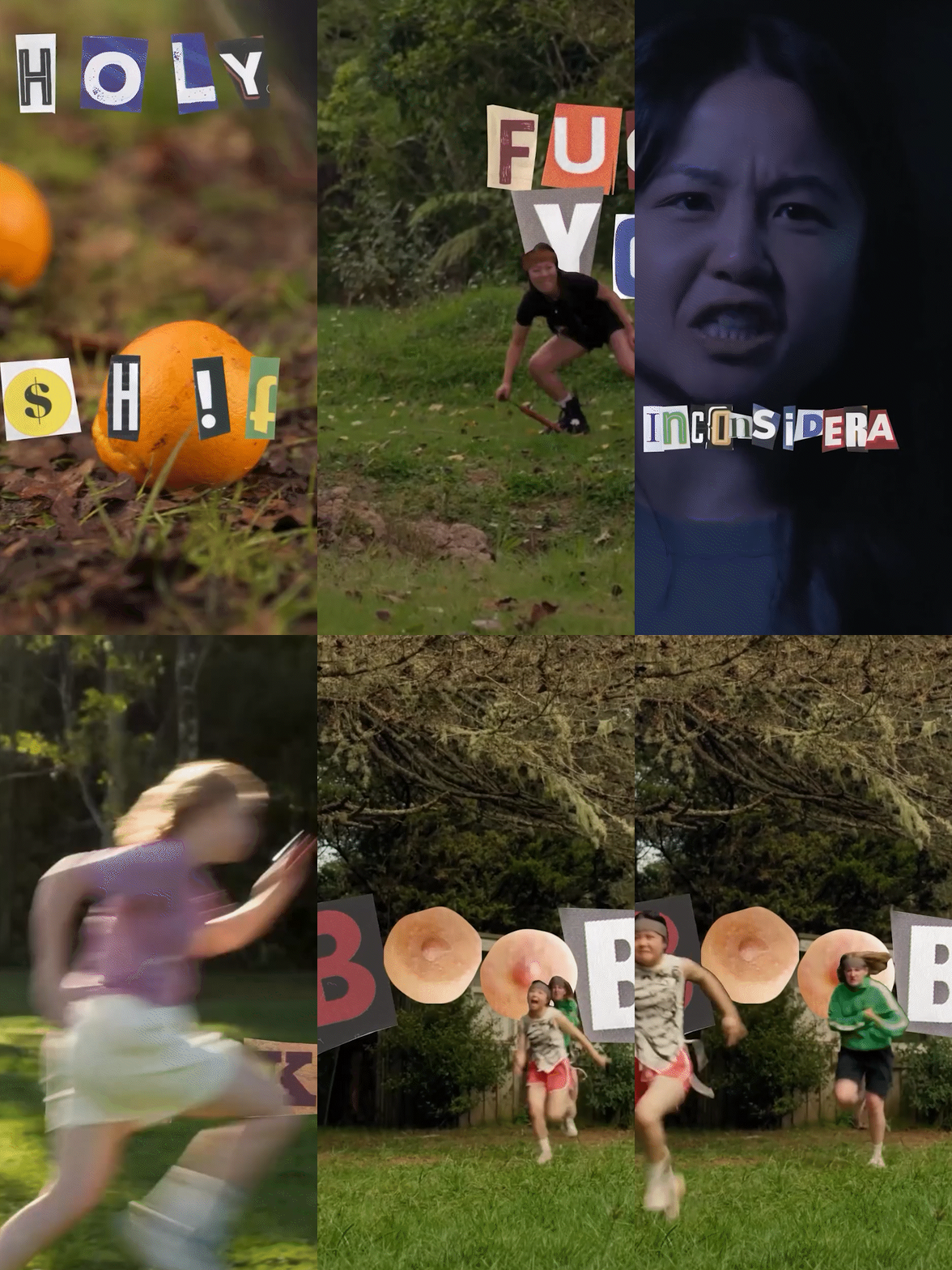

Combing film experience and social media, I worked across stunts, VFX and as a 1st AD for the first official TikTok social media film competition in collaboration with Cannes to win 'Best Edit' in 2021 for the film 'ZERO'.

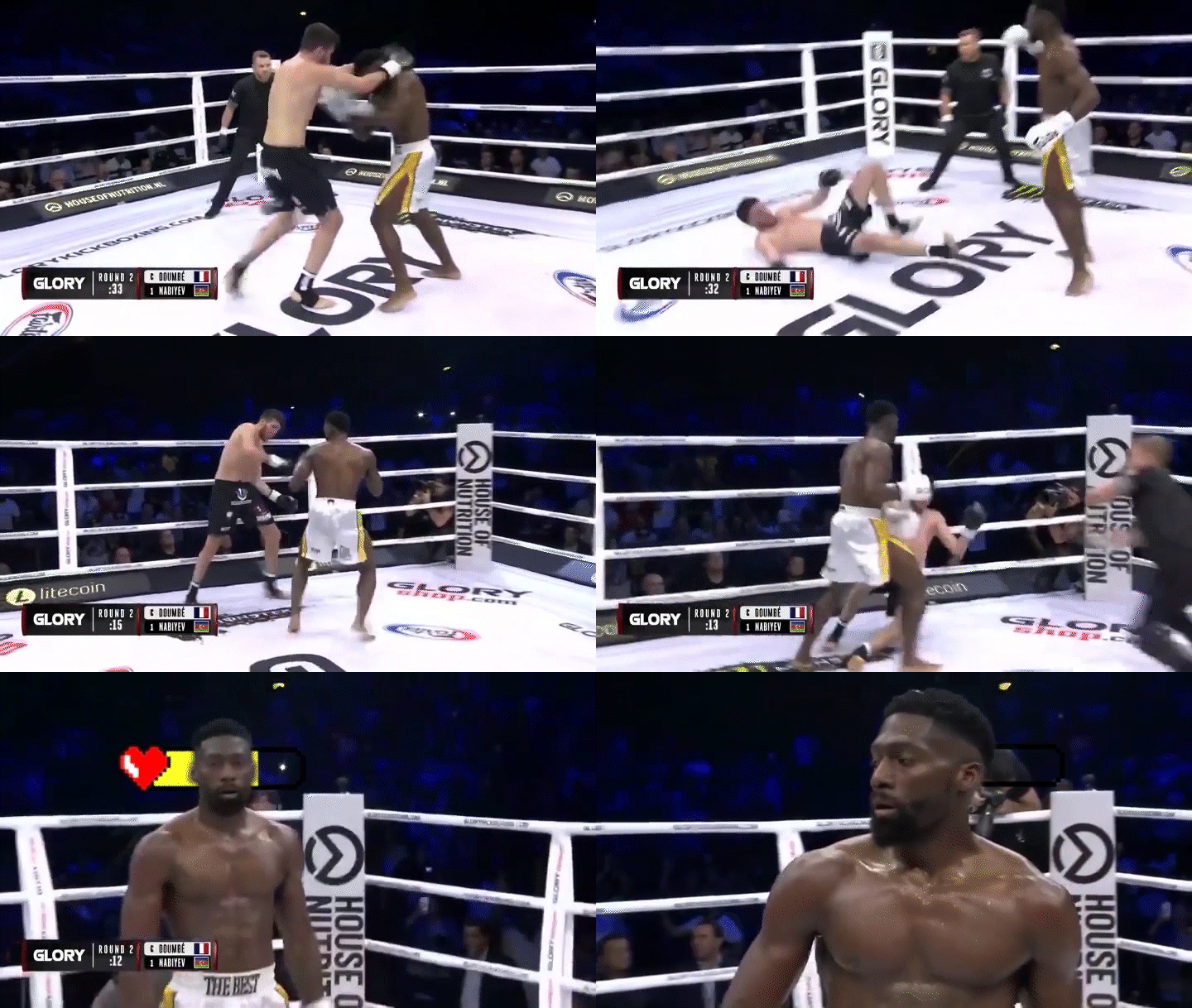
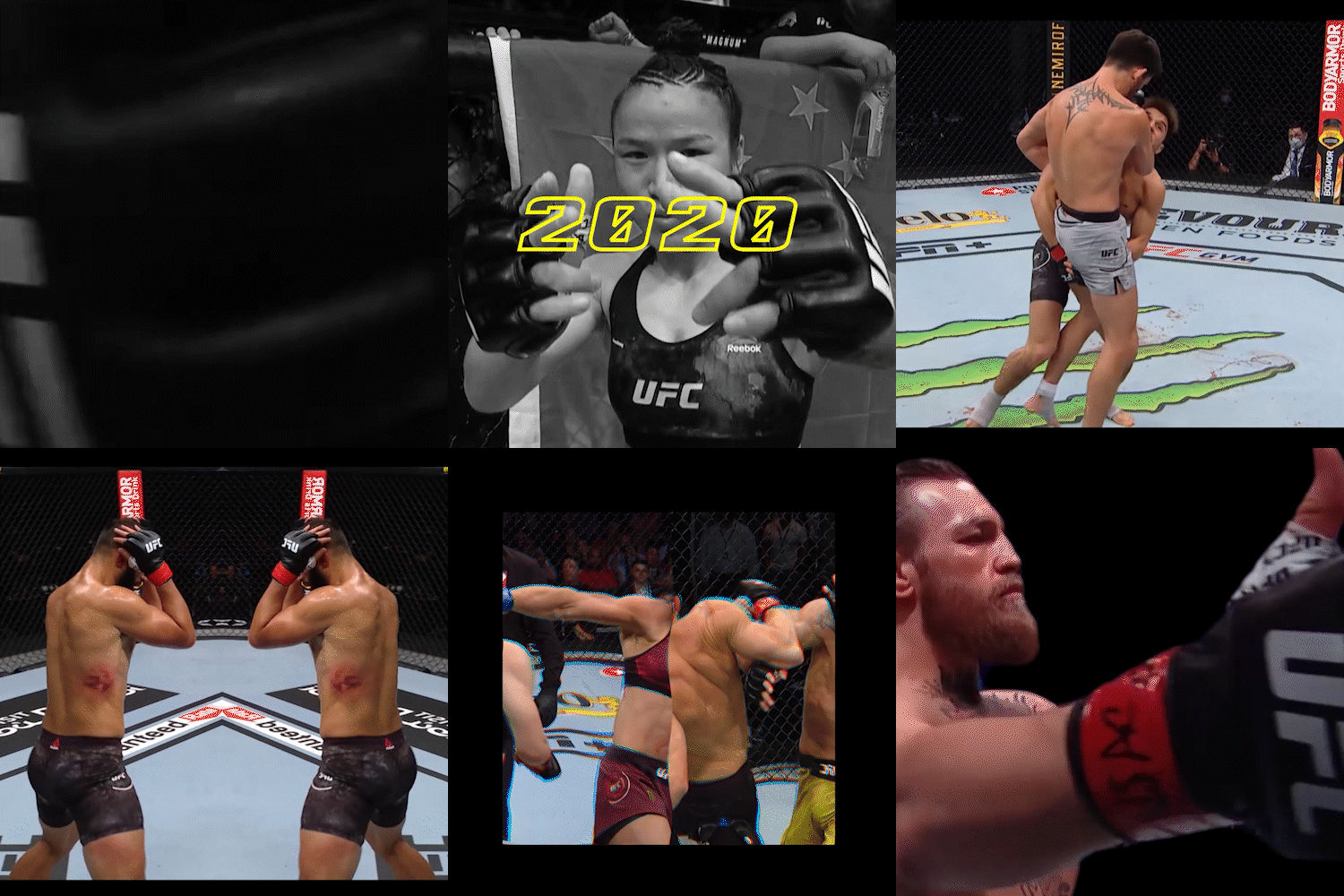
Combing film experience and social media, I worked across stunts, VFX and as a 1st AD for the first official TikTok social media film competition in collaboration with Cannes to win 'Best Edit' in 2021 for the film 'ZERO'.


TRADITIONAL VFX.
compositing software:
My first experience with After Effects began in 2016 and in 2019 I began my first professional job using it as the primary software.
Primarily using Silhouette FX, my experience with this paint, roto and compositing software started in 2022.
Also In 2022, I began using Nuke for basic tasks and since then I have used it for more complex shots working professionally as an in-house paint artist and freelance comp artist.


I have used Keylight and Primatte in Nuke and After Effects and have experience with the IBK Keyer system merging soft mattes with hard mattes or with roto for getting more refined hair detail.

I've learned the very basics of Deep compositing using deep.exr's and the more basic system using MiDaS generated depth passes for clipping footage in Z depth or using ZDefocus for cases of de focusing artificially.


Layer-based compositing has worked well for Mo-Graphs, basic comp shots, and batch shots for more complex visual effects has been more easily achieved in Boris Fx's Nuke and Silhouette FX.


3d Compositing in After Effects
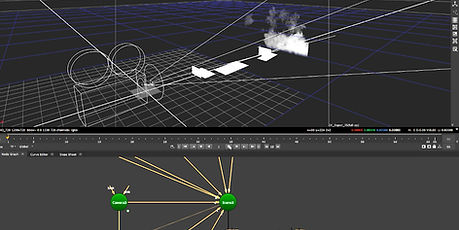
3d Compositing in Nuke
I'm knowledgeable in Nukes 2D system using point, corner pin, and planar tracking and using those systems for prep work such as roto and paint.
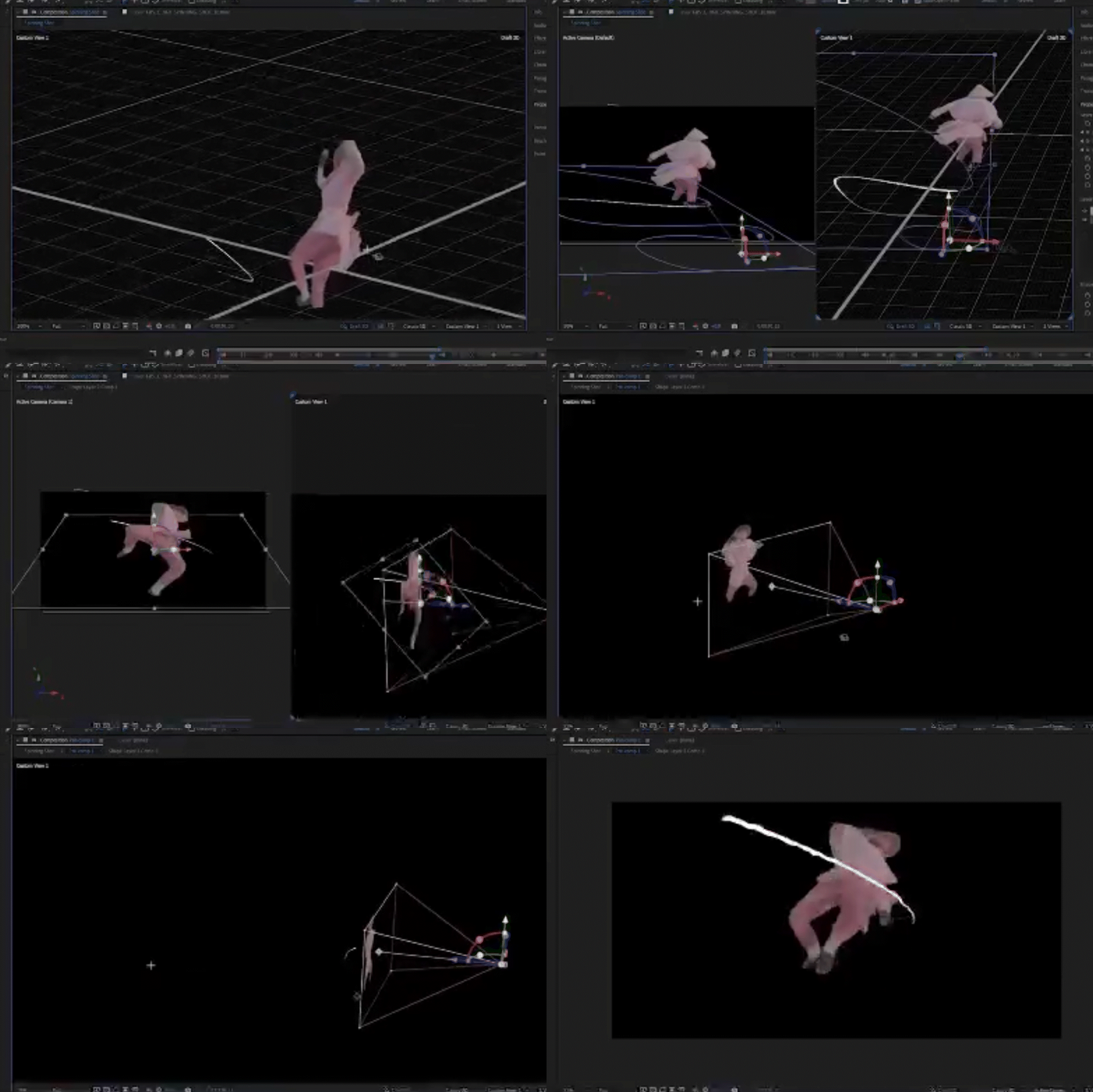
2.5d compositing in After Effects
I've also used After Effects 3D system, including the native 3D and cinema 4D plug in for 2.5D compositing, using both 2D and 3D elements.
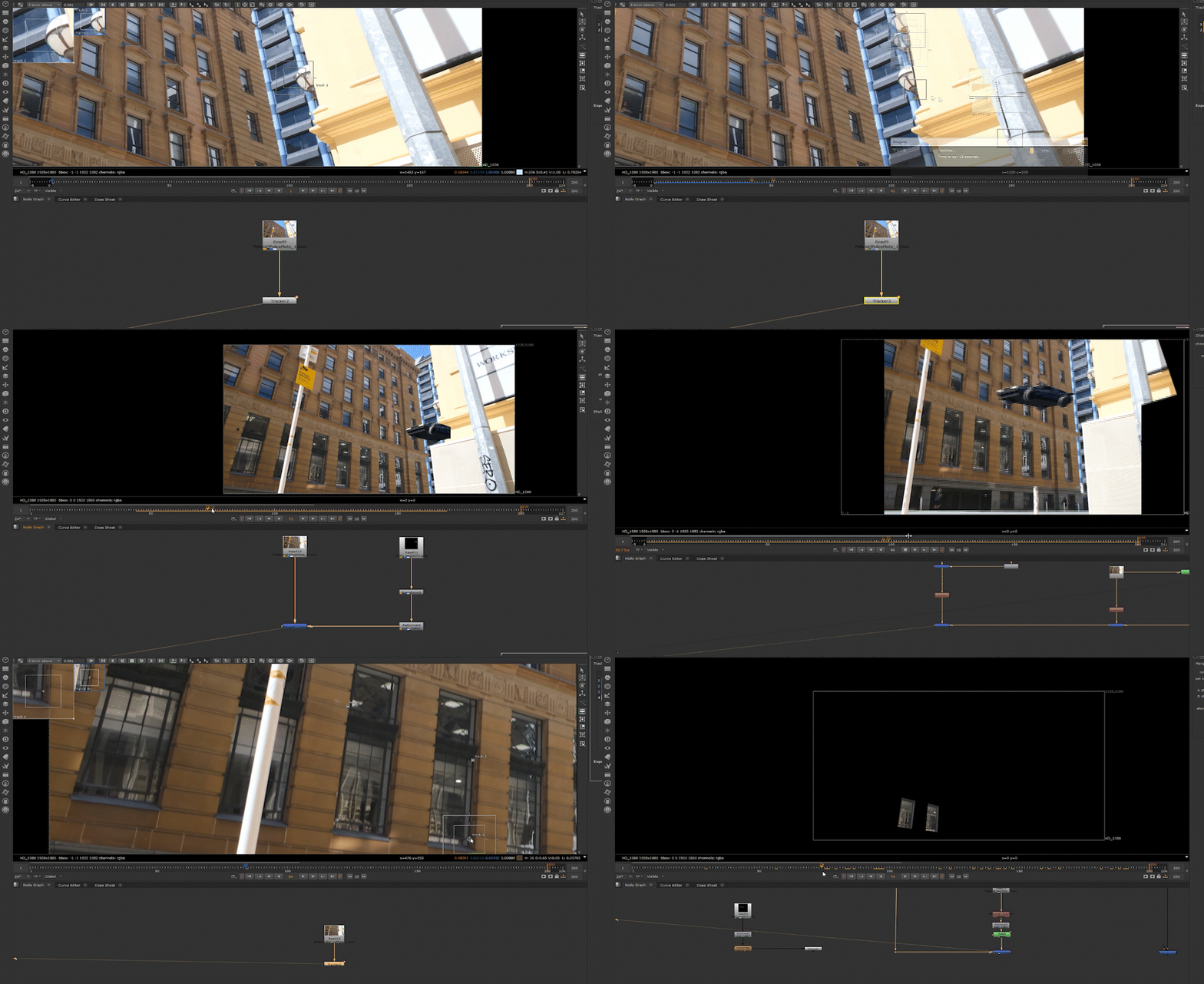
2d Corner Pin and Point tracking in Nuke
My expertise with rotoscoping spans across various software, and I have spent a collective 3 years working as a professional rotoscope artist across multiple shows with varying deliverable requirements.


ANIMATION.


I have experience in 3D and 2D animation, using different software over the years for different things such as tracking, modelling, texturing, rigging and keyframe animation.
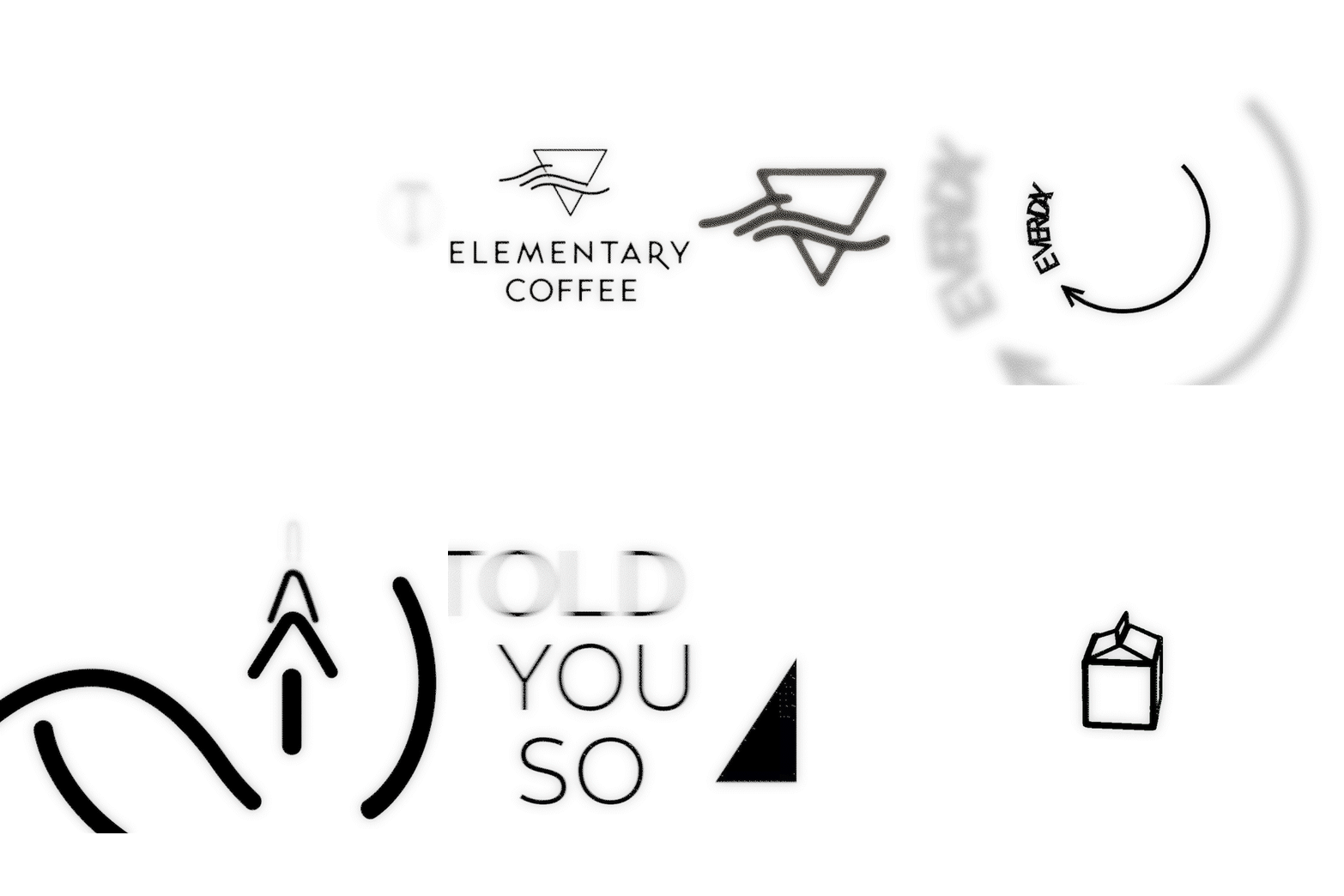
Motion graphics and 2D animation has been a fun art to explore. Having experience with 3D has opened options for me to play around with 2D elements animated in 3D space. Motion graphics is a good way to bring otherwise stationary designs to life!
Using pre-made PBR textures have been a fast and efficient way to texture things quickly and to create some realism with 3D objects. I've created my own bump maps / height maps and normals as well as doing other manuals work to achieve the more realistic results.


Blender has been great for quick renders such as Pre-Vis or working with detail. The ease of use and access has made the process working with it much easier.


Building models from the ground up can be fun but time-consuming and so using copyright-free or licensable models that can be de-constructed and re-assembled can be a faster way to get a great result; below is an example of that.


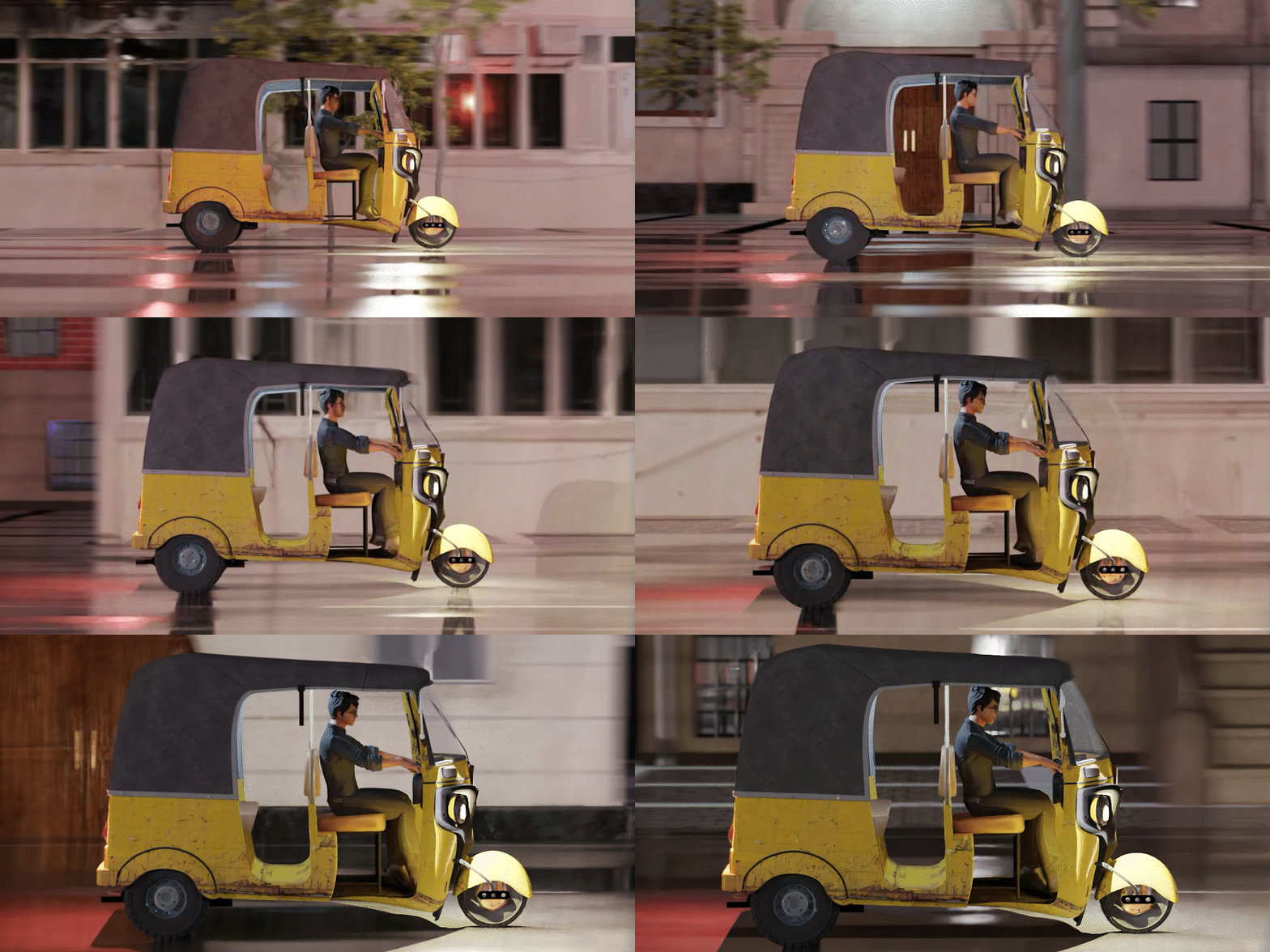


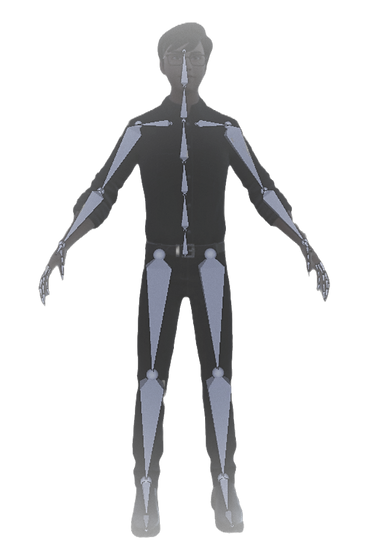
When building models, keeping good edge flow is something I've learned more about and tried to stay aware of. Quad-based topology is the common method and has been a useful guide to follow.


I've used basic rigging and weight painting to achieve manual keyframe character animations.
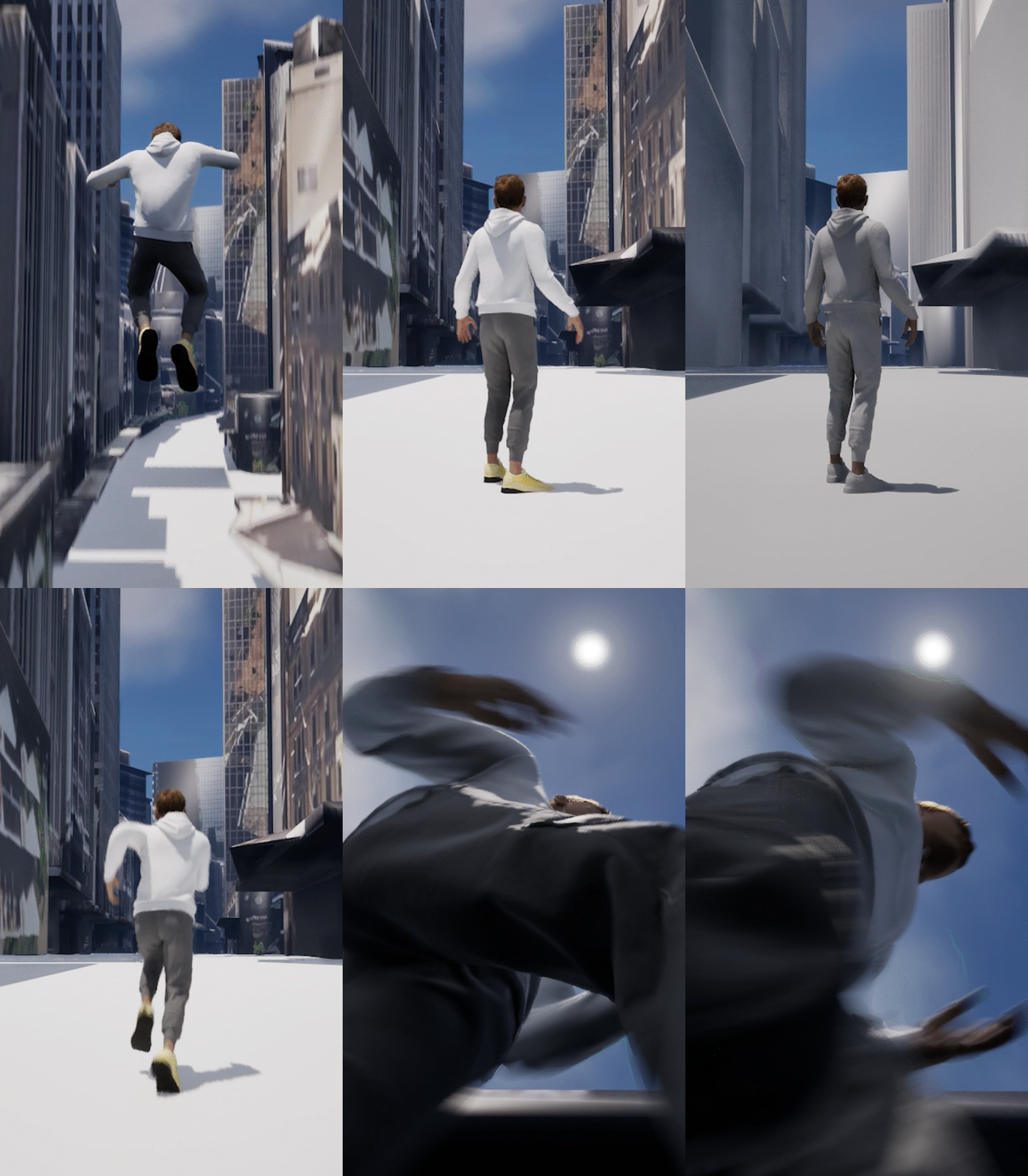
Motion graphics as a form of 2D animation has been something I've enjoyed for a long time and have found that it is a fun way to give energy to otherwise static graphics.
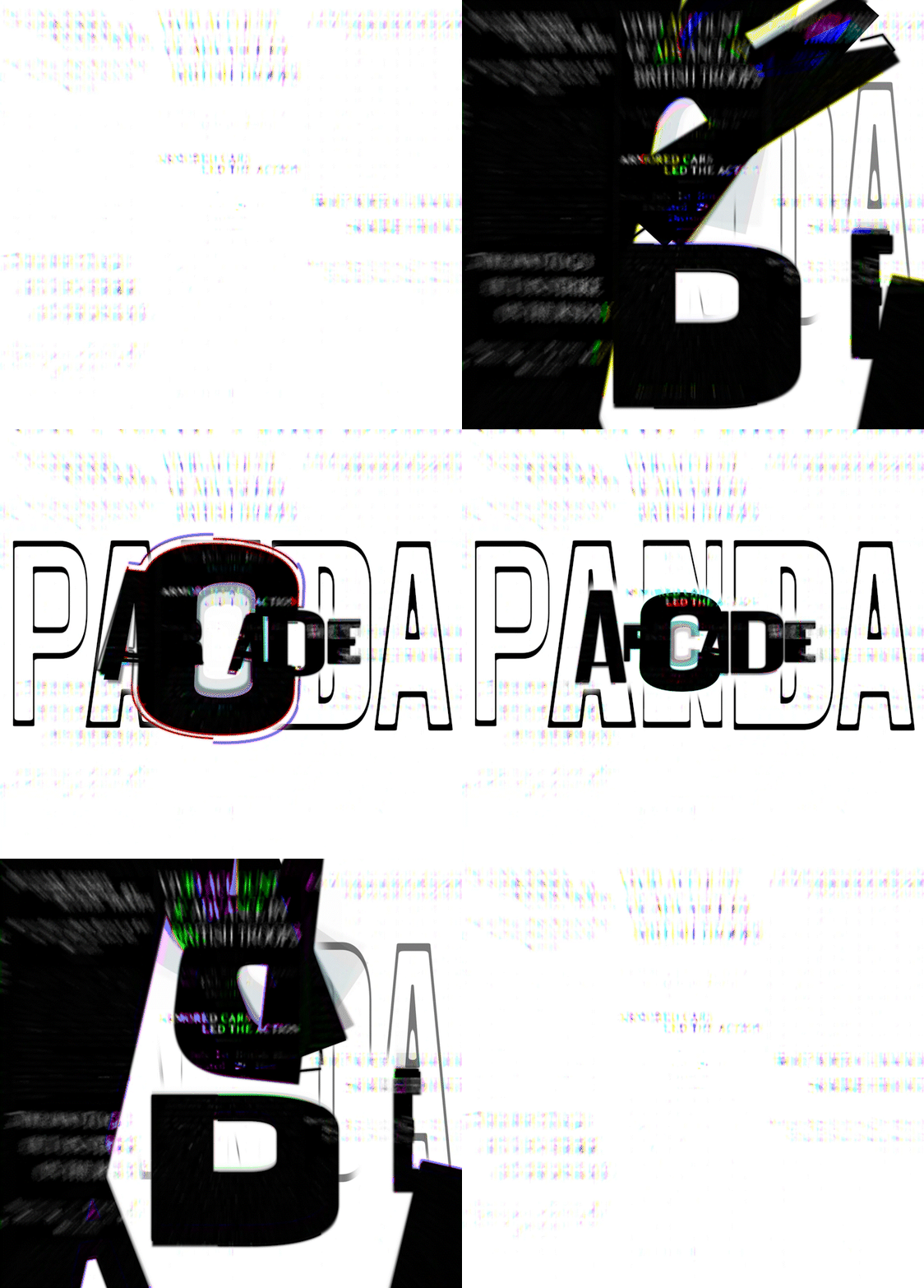
I've also done some work with Meta Human suite and basic rigging setups for game functionality in Unreal Engine. I've undergone an Unreal Engine basics course made available by Epic Games and Wētā FX.
Below you'll see an example of my experience working with Beeple AI's De-Light and Re-Light system and have used that system to displace video in 3D dimensional space using a depth pass for video and images.


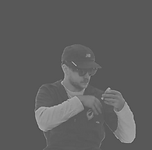


My span of work with 3D is broad and I enjoy learning about all the history, systems, and techniques as well as the new methods that are being developed.


ARTIFICIAL INTELLIGENCE.
I began using AI video tools starting with EbSynth in 2020 and now apply a range of models to help bring ambitious ideas to life. My focus is using AI responsibly and ethically with commercial licenses, making complex ideas achievable on smaller budgets. It’s a tool that, when used well, helps bring innovative visions within reach.

Being able to use AI as a tool (as apposed to a replacement for creativity) is where it shines, helping designers, creators, artists, and brands communicate their ethos as effectively and efficiently possible.
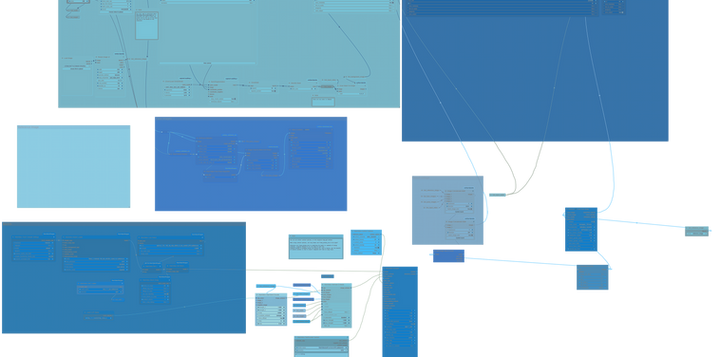



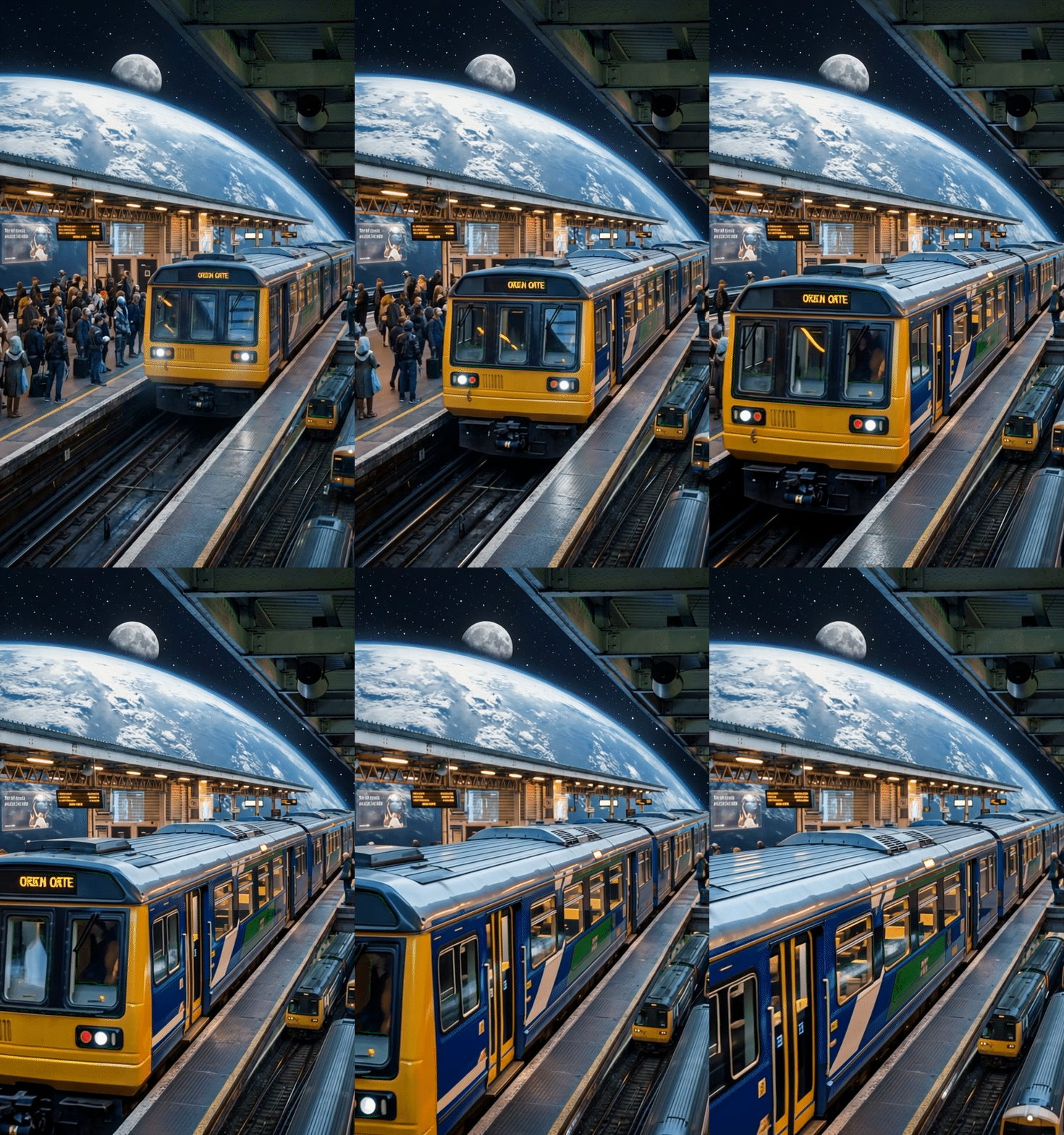
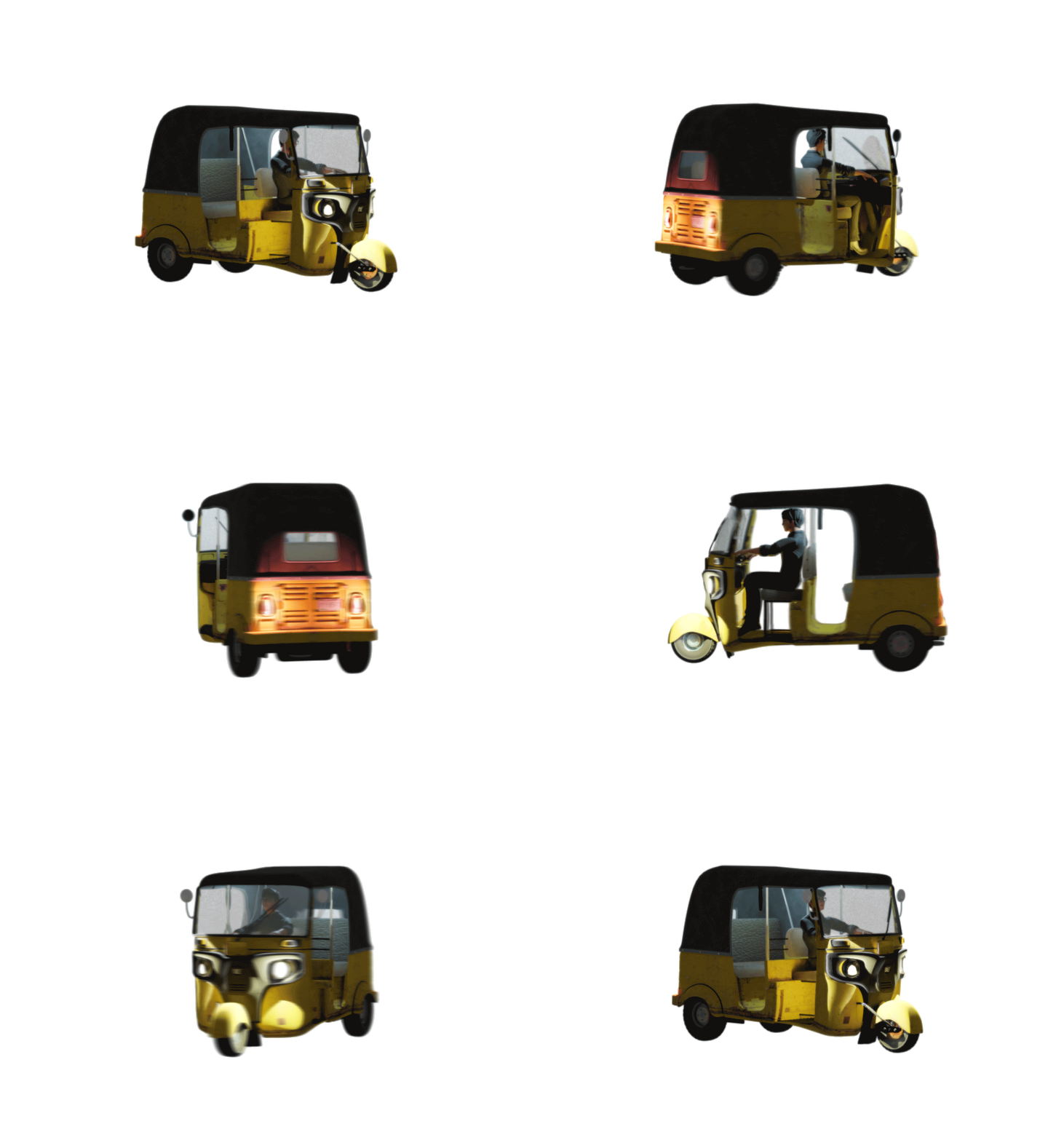
Example of Ai elements being broken out into different layers.


Every day AI video and photo models develop. Part of staying ahead of the curve is to continue learning and practicing with as many available models as possible and developing new ways to implement techniques to get the best quality work with maximum controllability and maximum speed.
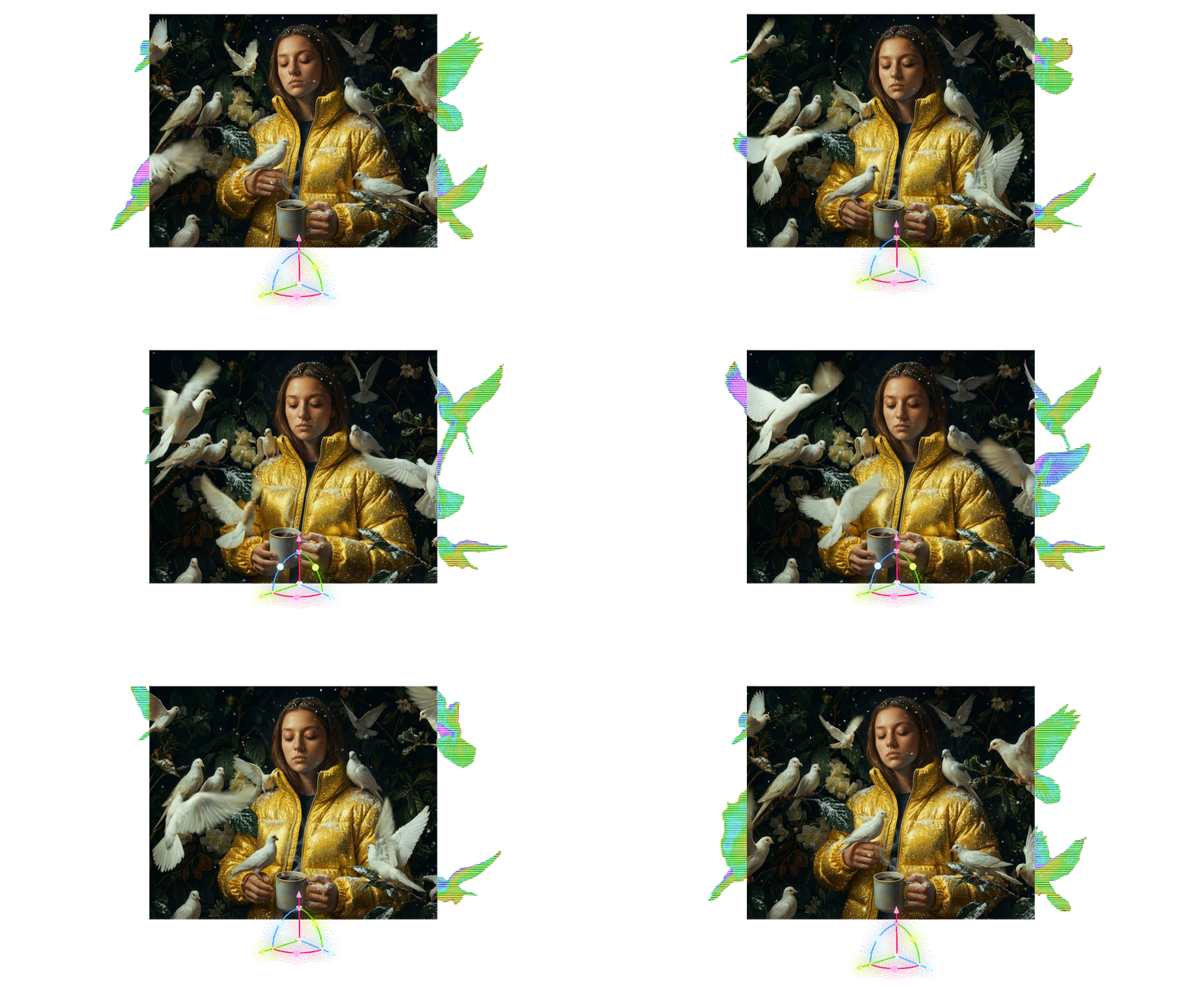

Controllability is key for using AI in creative work. Without controllability, you and I are at the hands of AI's large models, and with diffusion-based systems this can result in the generic aesthetic that AI models can sometimes produce. Fortunately my background in manual and traditional methods blends well with generic generative models, allowing for customizability and control when it comes to making visuals and graphics stand out!


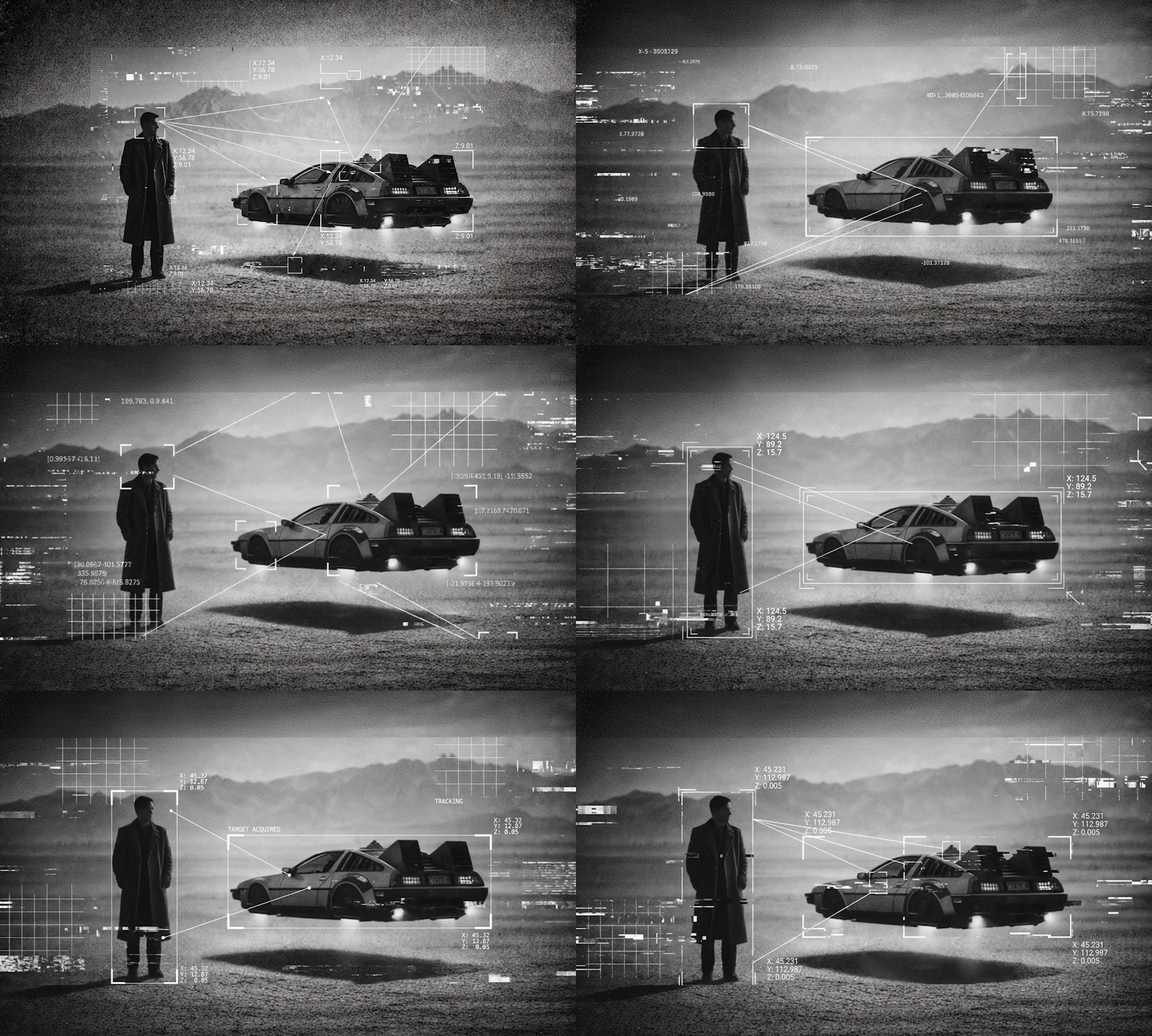
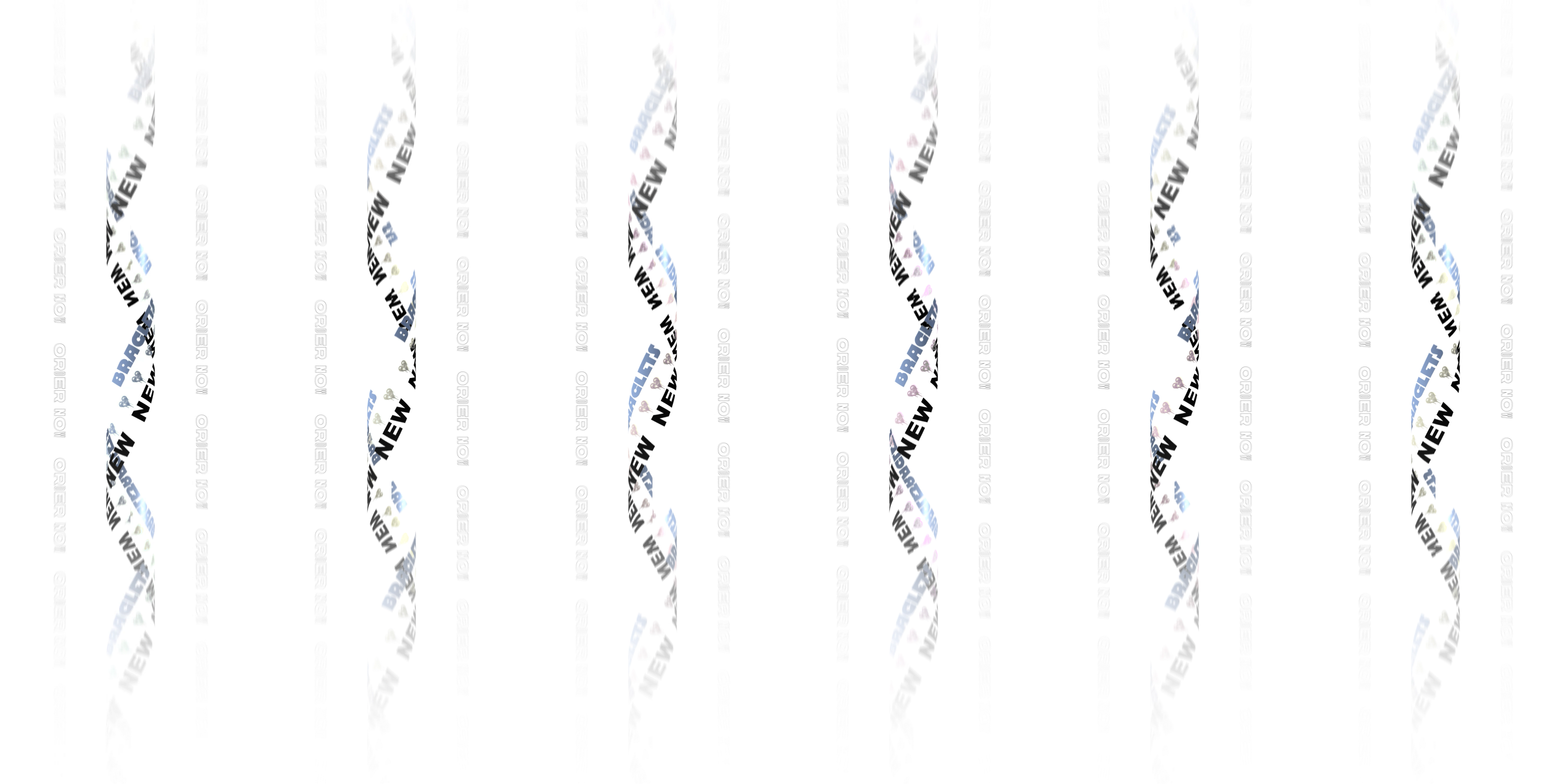
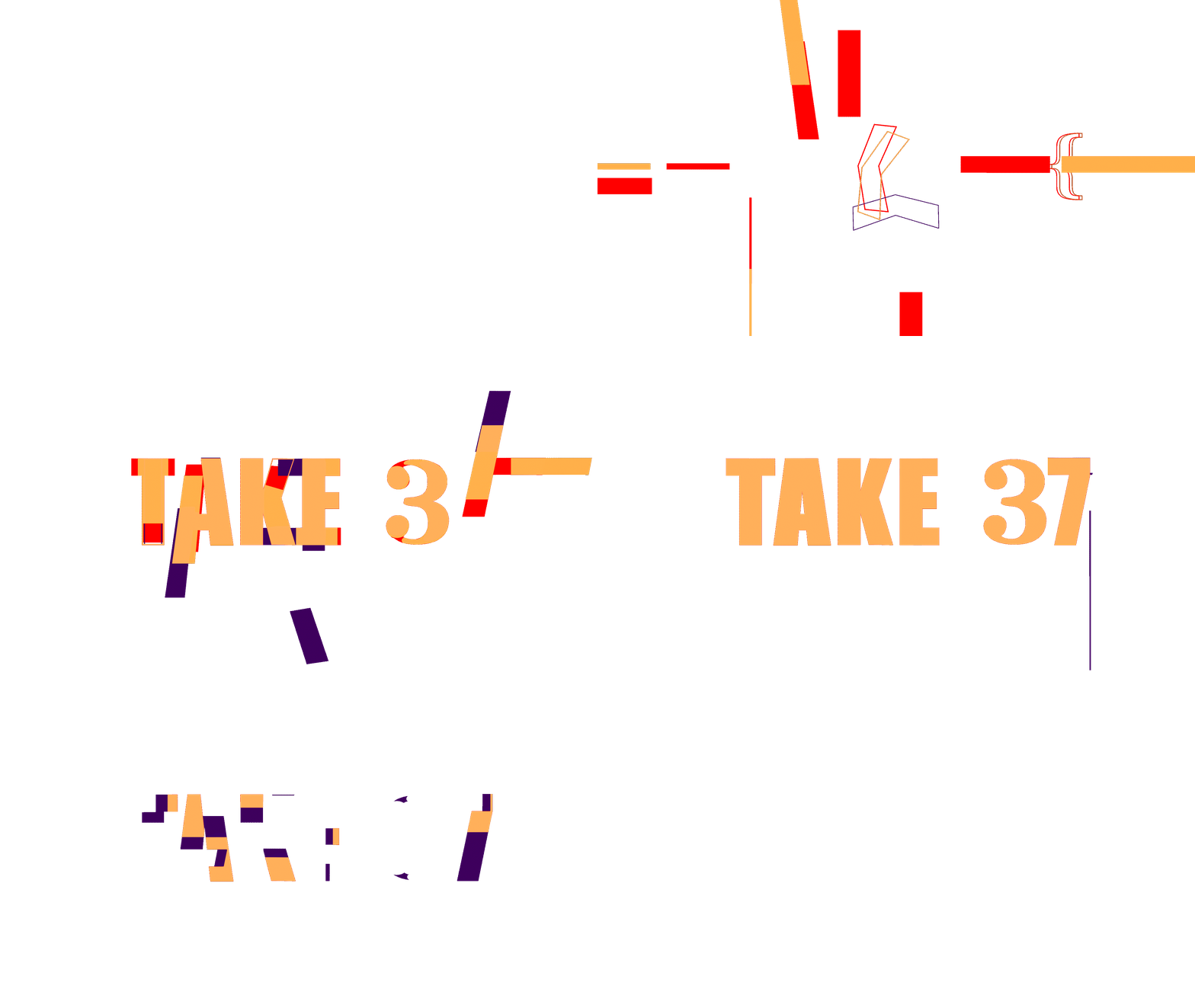
Text, font selection and logo implementation is all possible with AI applications but finding ways to compose and integrate text is time-consuming, but with new text-generative models, text can now be made with decent consistency and application without much need for intervention. My experience with Nano Banana has proved successful in a few areas which all lends a hand in reducing and giving designs a quicker turnaround.
TEXT CONSISTENCY.

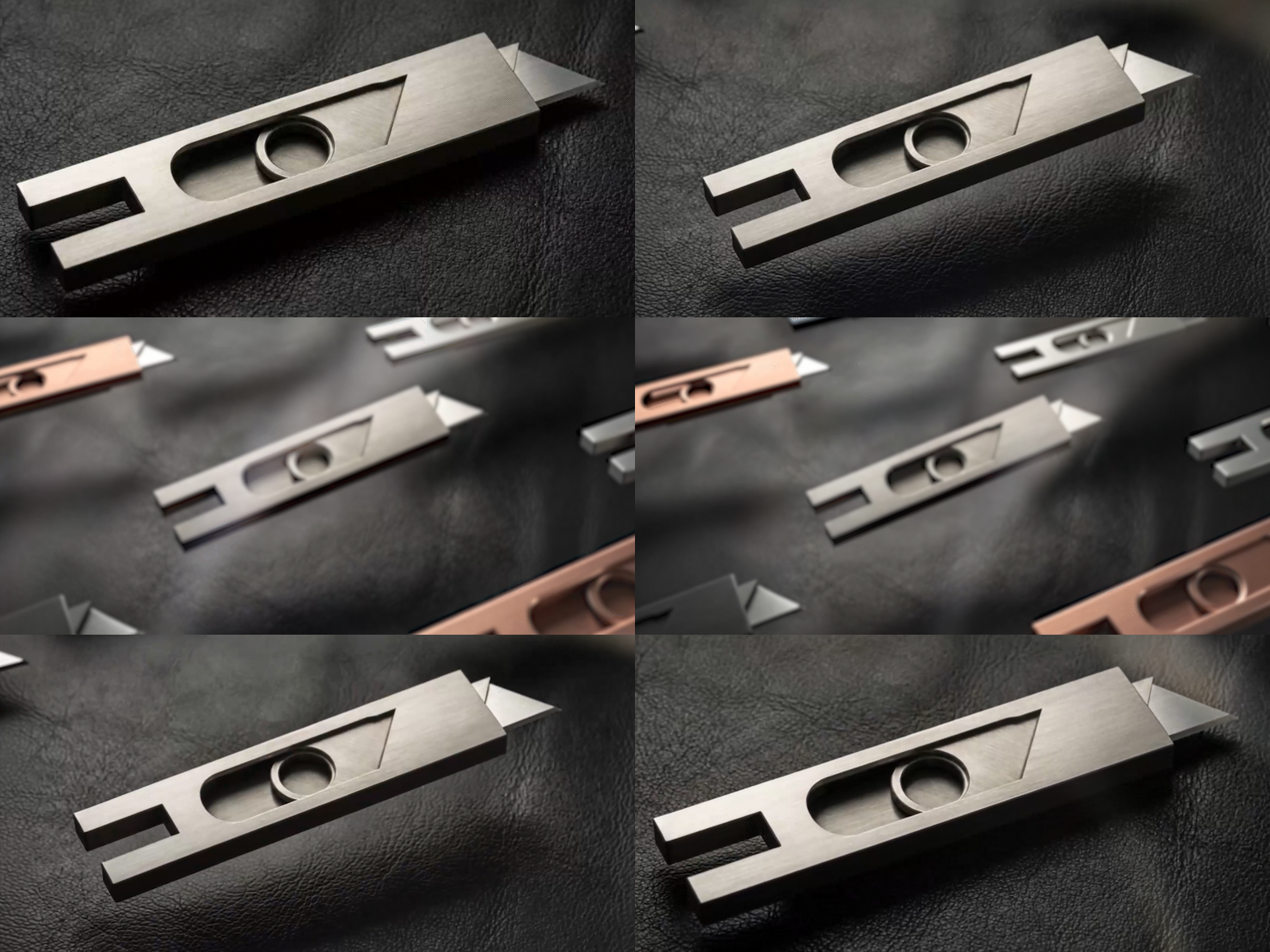
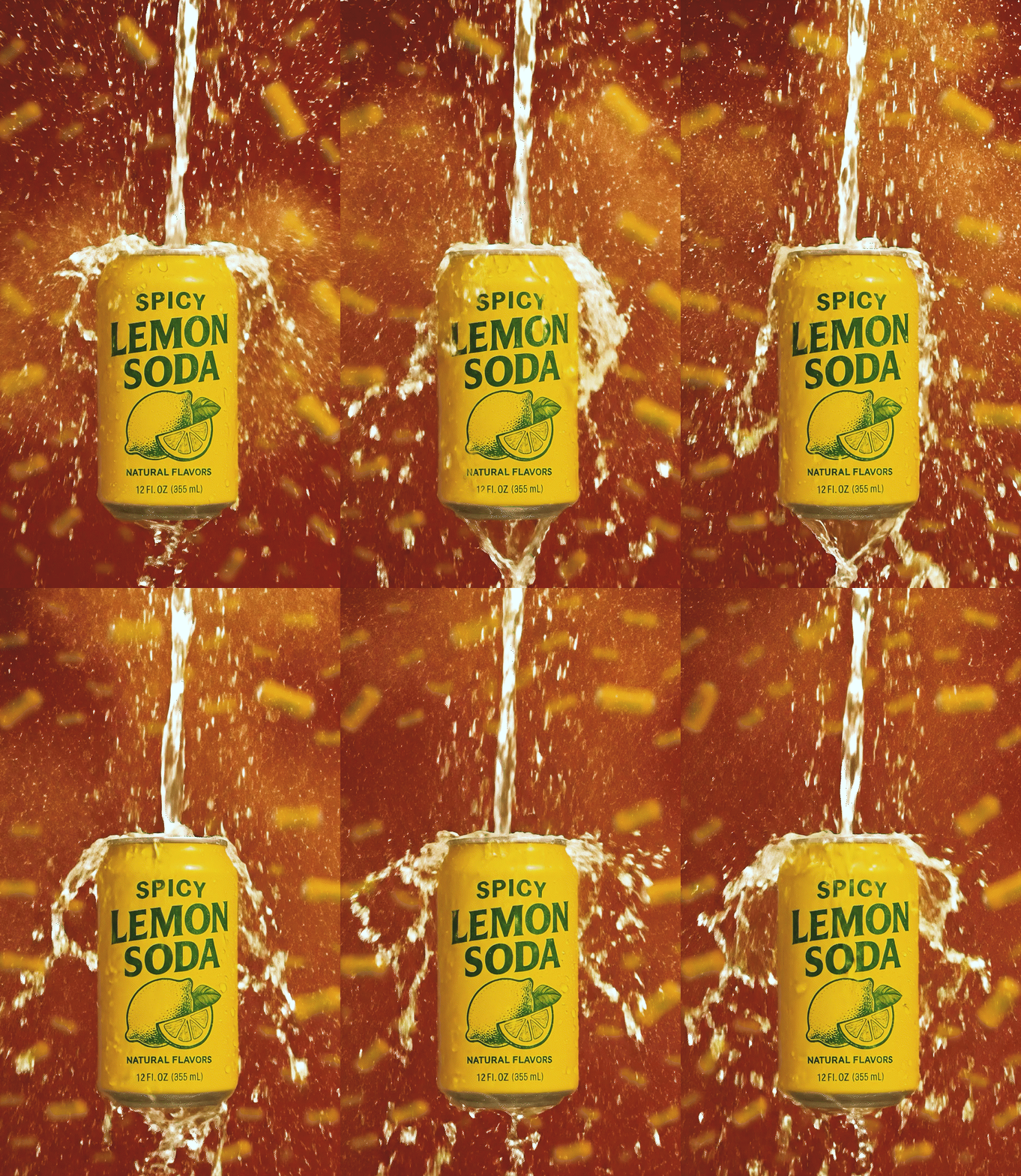

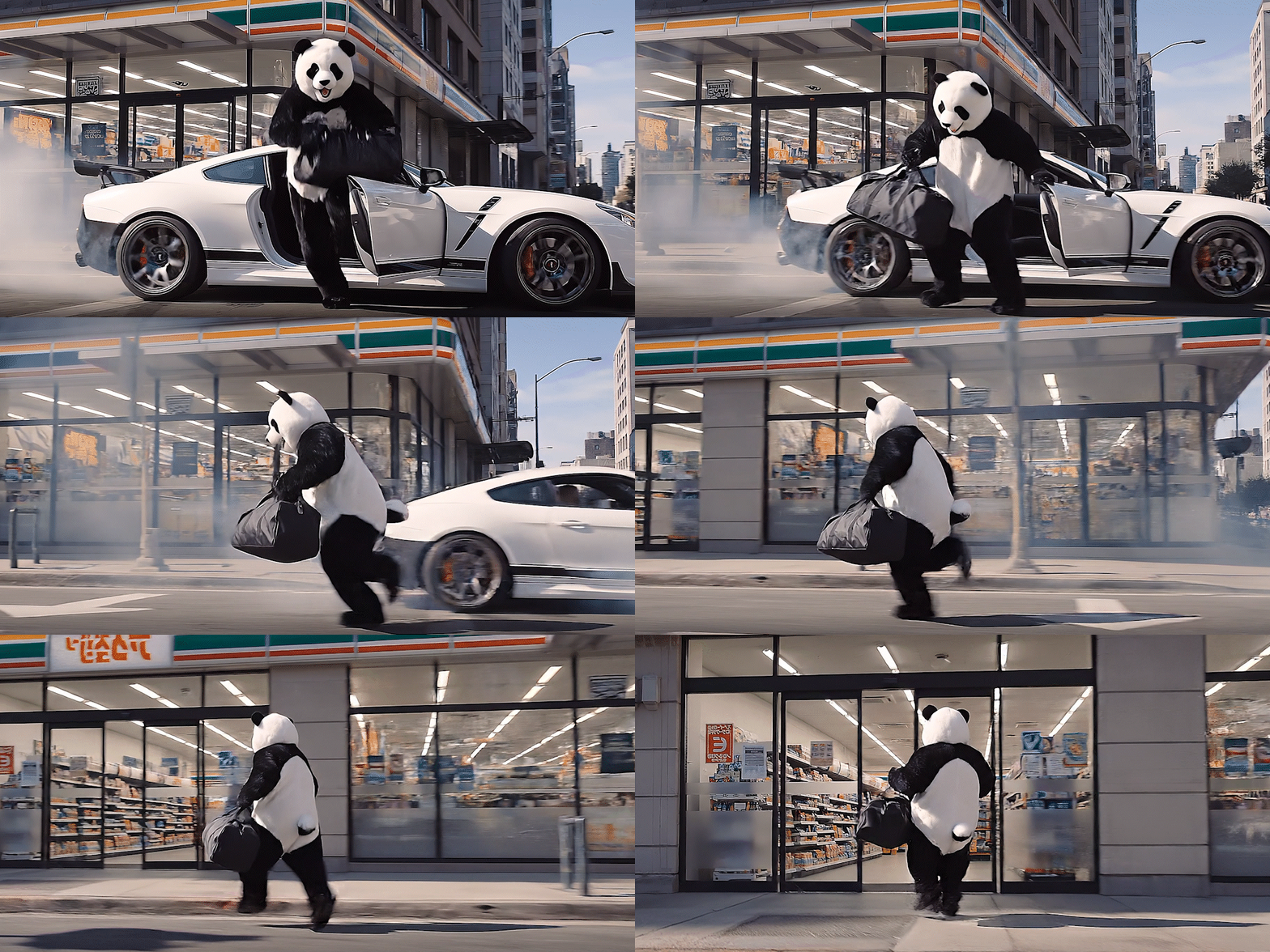
Having a background in traditional VFX and design makes for a creative and malleable process using 3D cameras and manual image alteration techniques when AI fails or needs to head in a better direction.

VFX has allowed me to work on over 25 feature films and tv shows and collect 15 credits in 4 years across Emmy, Oscar, and Bafta nominated movies. I've had great opportunities to meet the best artists and production staff in the industry and have learned efficient and organized production pipelines.

Working in teams of people and teams has been a great way to develop the soft and hard skills necessary for high pressure work and clear communication whilst keeping professional.